

Energy efficiency is more than a buzzword. It’s about getting the most warmth with the least waste. Many homeowners overlook small issues that quietly drain energy. By focusing on heating systems, you can save money and reduce environmental impact. Even minor problems can compromise efficiency, making homes colder and utility bills higher. Addressing these issues early ensures steady warmth without overspending.
Identifying Problems Through Timely Heating Repair
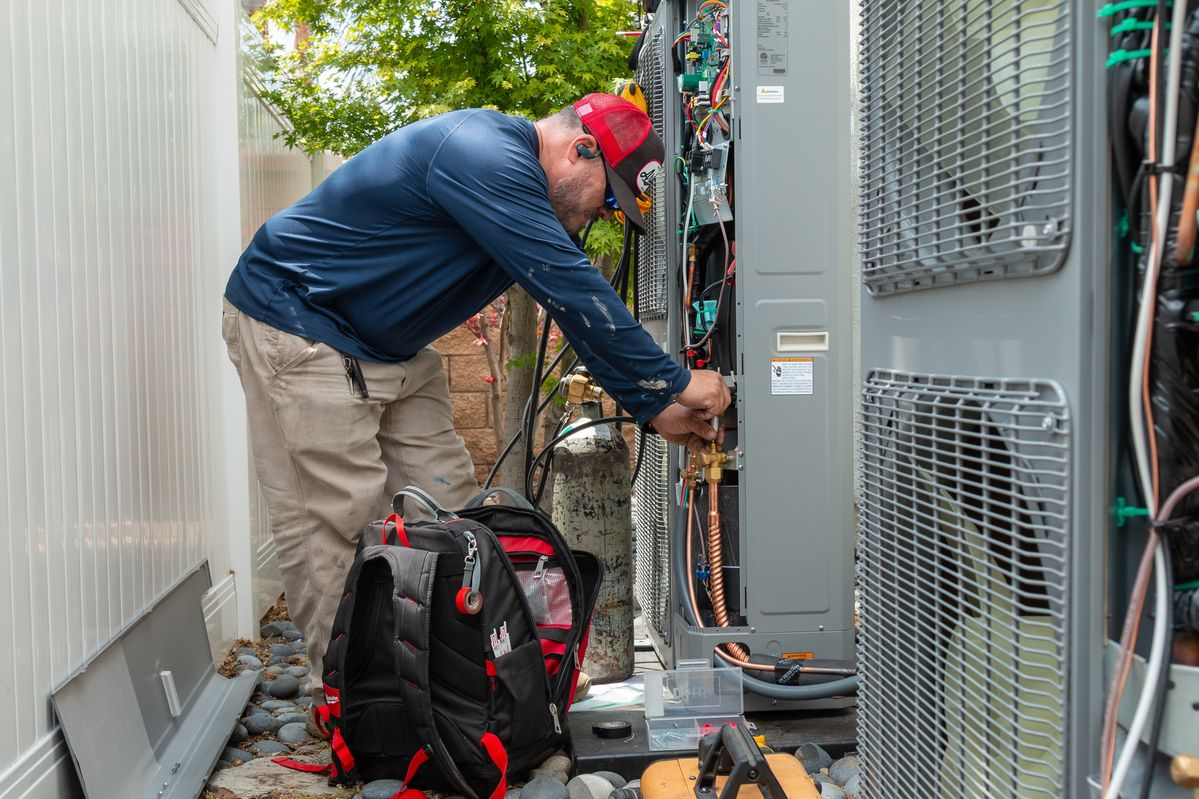
Heating repair refers to fixing malfunctions in your home’s heating system, from furnaces to radiators. Systems often lose efficiency due to worn-out components, blocked vents, or faulty thermostats. Scheduling regular heating repair ensures that your equipment runs smoothly. A well-maintained system uses less energy to produce the same amount of heat. By detecting problems early, heating repair prevents unnecessary energy consumption and extends system lifespan.
Upgrading Components During Heating Repair
Older heating components can sap energy even when they appear functional. Heating repair often includes replacing worn belts, dirty filters, and corroded parts. These small upgrades can dramatically boost energy efficiency. Newer parts allow the system to operate at optimal capacity. Upgrading to energy-efficient units complements repairs, allowing households to enjoy long-term savings and a reduced carbon footprint. Investing in component upgrades during heating repair reduces energy waste and enhances overall performance, keeping your home cozy without excess cost.
Sealing and Insulating During Heating Repair
Energy loss often happens beyond the heater itself. Leaky ducts, poorly insulated pipes, and drafty rooms force your system to work harder. Many heating repair services include checking seals and insulation. Fixing leaks and adding insulation ensures that warm air reaches every corner. By integrating sealing and insulation into heating repair, homeowners maximize the efficiency of every energy unit used, creating a warmer, more sustainable home.
Regular Maintenance as Part of Heating Repair
Maintenance is the unsung hero of energy efficiency. Routine checks, cleaning, and adjustments are all part of heating repair. Dust buildup, clogged vents, and misaligned burners reduce system efficiency. Regular maintenance keeps every part functioning correctly, allowing the system to heat evenly and use less energy. Treating maintenance as part of heating repair ensures that your home remains comfortable year-round while keeping utility bills in check.
Choosing Energy-Efficient Heating Systems
Sometimes heating repair uncovers a bigger issue: the system itself may be outdated. Newer heating systems are designed to maximize energy use and reduce waste. When paired with proper heating repair and maintenance, they provide reliable warmth at lower costs. Upgrading to energy-efficient units complements repairs, allowing households to enjoy long-term savings and a reduced carbon footprint. Combining new technology with consistent heating repair is the most effective way to boost efficiency.
Conclusion
Heating repair is more than fixing a broken system. It’s an opportunity to optimize energy use, reduce costs, and enhance comfort. From replacing worn components to sealing leaks and maintaining performance, each step contributes to a more efficient home. By prioritizing regular heating repair, homeowners can enjoy steady warmth, lower bills, and a sustainable approach to energy. Simple repairs today can lead to substantial savings tomorrow.