

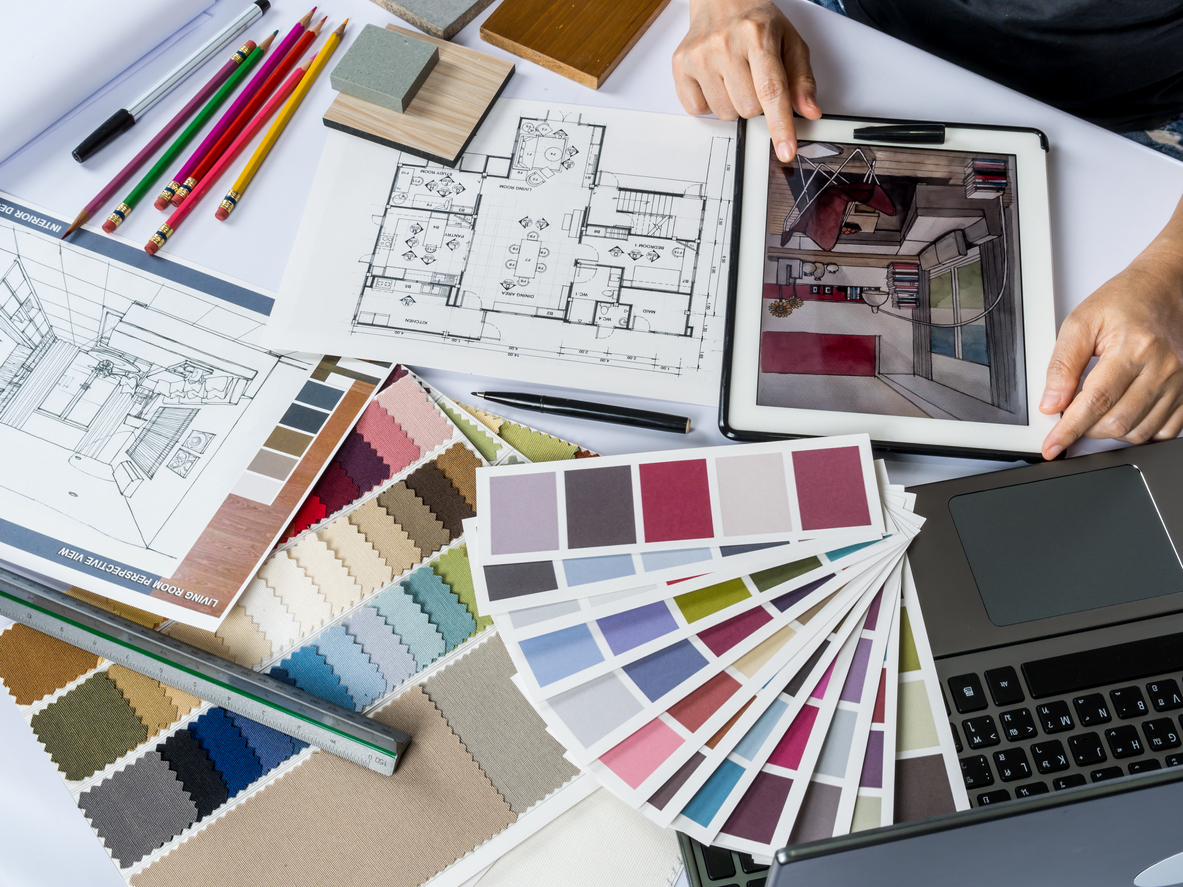
If you’ve been contemplating, it’s time to update your home. It’s the perfect year to start. The trend in interior design this year is all about comfort, warmth, and character. Homes are becoming more human, functional, comfortable, and fashionable all at the same time. What was once the “perfect showroom” look is disappearing. People are now looking for homes that tell their story and are in line with their daily routines. The spaces are designed to be able to easily switch between relaxation and work, with textures and colors that help you feel relaxed and at peace.
Sustainability is now also an issue. Consumers are looking for environmentally friendly materials, including eco-friendly wood, recycled fibers, and environmentally friendly paints. Technology for smart homes is altering the way we live. Instead of flashy gadgets, technology is being utilized subtilly, such as lighting systems that adjust themselves automatically or curtains that shut by themselves at sunset.
If you’re thinking of studying the field of interior design, then these newest ideas are worth a look. A lot of students studying at interior design schools located in Bangalore are learning to blend innovation with sustainable, modern concepts. Design is all focused on solving problems, how to make homes more efficient, elegant, comfortable, and beautiful. This blog will walk you through the most popular designs for the interior of, discuss how they work and why they are important, and how to implement the trends in your real-world projects and homes. If you’re considering Interior design colleges in Bangalore, we’ll show you how a good education can aid you in transforming these ideas into a lucrative career in design.
Five Macro Shifts Defining Interior Design Trends
- Wellness by Design: Designers are now focusing on how homes can make people feel. The right lighting, tranquil colours, and an airflow that is good can have a huge impact. Soft, warm lighting and sound-absorbing fabrics can help create peaceful, calm spaces. These tiny details help homes feel like a true sanctuary.
- Simple but smart tech: The technology in homes is getting smoother and less noticeable. Instead of displaying huge devices, many people opt for hidden gadgets like automatic lighting as well as smart blinds and air purifiers that operate silently in the background. The idea is to make life simpler and less difficult.
- Sustainable and Recycled Materials Reclaimed and sustainable materials: Furniture, old furniture, wood, and repurposed materials are highly sought-after in design trends for interiors. These materials not only look stunning but also help reduce the amount of waste. Expect to see a lot of furniture made from rattan as well as cane-like details and Terrazzo-style surfaces that are made of leftover glass or stone.
- Flexible Spaces: Open layouts are designed to allow for more. One space can be used for many purposes, with sliding screens, moveable sofas, and foldable desks that allow the space to change from a workspace into a space for relaxation. The keyword is flexibility for urban living.
- Personal Touches: The days of decor using copy-paste are long gone. The modern homeowner wants houses that are a reflection of their lifestyles and their memories, with handmade ceramics and local artwork, or family photographs. The interiors that reflect personality are the new trend.
How Do the Colors Fit Into the Interior Design Trends?
- Moody neutrals with depth: Warm hues like beige, taupe, and mushrooms are the latest neutrals. They create cozy rooms and a timeless look while letting bright accessories shine.
- Rich Jewel Tones: The deep greens, teal blues, along with maroon reds and blues are used to accent the walls, cushions, and curtains. They add drama and richness to interiors but don’t feel loud.
- Soft Pastels: Soft hues like blush, sage, and dusty blue are ideal for creating calm and bright homes. They look stunning, especially in Indian sunlight.
- Textured Finishes: Smooth, flat walls are not in. Materials like limewash or clay paint are popular since they create a natural, soft appearance. These textures also let light reflect beautifully on surfaces.
- Matte Metal: Mixing metals is still popular; however, it’s now executed subtly. Nickel, brass, as well as black steel can be mixed in the same place and are all finished in matte to give a modern low-shine appearance.
How To Apply These Interior Design Trends on a Budget?
- Plan One Main Function per Room: Choose what the room will be mostly used for, whether it is gathering, relaxing, or for work, and then design the room around that goal.
- Upgrade Finishes, Not Structures: Consider painting walls, changing curtains, and using peel-and-stick panels. Simple surface changes can make huge visual changes.
- Follow the 60/30/10 Rule: Apply 60 percent neutral colors and 30 percent complementary shades, as well as 10 percent of bold highlights, to create harmony.
- Begin by introducing Modular Furniture: Modular shelves and sofas are movable and economical. Make your own personal touch later using paint or other accessories.
- Add One Eco-Friendly Element per Room: Select organic bedding, furniture made from recycled materials, or LED lighting, each step by step.
- Layer the Lighting: Mix ceiling lights, lamps, ps, and wall lights to create a variety of moods.
- Keep It Simple. Avoid clutter: A few carefully chosen décor items can make more impact than a lot of small things.
Micro Interior Design Trends That Are Practical And You Can Use
- Surfaces with Ribbed and Fluted: They look contemporary and aid in hiding small scratches on furniture or walls.
- Rounded Edges: The softer edges on furniture create spaces that look comfortable and safe for children.
- Statement Lighting: Big or unique lamps and pendant lights have become pieces of art in rooms.
- Designs for Patterned: Stones Marble-like finishes on slabs or tiles provide elegance and style without cost.
- Single-Tone Rooms: Utilizing a single color with different textures gives an elegant and simple look.
Five Interior Design Trends for Commercial Spaces
- Workspaces that feel like cafes: The office is becoming more comfortable with comfortable furnishings and natural lighting, which can enhance focus and inspire.
- Smart Retail stores make use of digital rights and mirrors that are digital to make shopping more engaging.
- Sustainable Furniture Use: More and more brands are recycling and reusing furniture to cut down on waste.
- Acoustic Comfort: Noise-absorbing substances are being developed to help reduce the noise that can be heard in open spaces.
- Brand Identity through Design: Businesses are displaying their brand’s color and style on walls, flooring, and lighting, instead of simply logos.
Skills and Tools to Learn
- Lighting Design: Find out how the color of light and temperature influence mood.
- Sustainable Design Choices: Be aware of what materials are durable, safe, and environmentally friendly.
- AI in Design: Use AI tools to create ideas for mood boards and layout concepts, but always make use of your own imagination.
- Models and Mockups: Try making small models or test boards prior to starting real projects.
- Presenting Skills: Learn to present your design story clearly, so that your clients can comprehend your concepts easily.
Looking for a Future as an Interior Designer?
If you’re determined to turn your love of spaces and design into a full-time profession, choosing the best design program is the first step. Interior design involves understanding light, materials, and human behavior, as well as sustainability. A good college will give you the tools to be creative while also acquiring the technical expertise that the field requires. If you are looking for interior design institutions in Bangalore, you should look for ones that combine classes with real-world experiences. There are a few aspects to consider when selecting the ideal location to begin your journey.
- Industry Exposure: Find colleges offering internships, live projects, and even exhibitions.
- Workshops and Hands-On Labs: Material labs and workshops allow you to understand the texture and finish.
- Updated Software: Training Learned about 3D rendering, CAD, along lighting programs.
- An active alumni community: This aids in securing internships and job opportunities.
Portfolio-Based Learning: Select programs that end each semester with the design of a project.
If you’re looking into Interior design schools in Bangalore, look for one that emphasizes imagination and real-world applications. Schools that feature the work of students and offer professional connections. These are the most important factors for establishing the foundation for a successful career in design.
Why is JD Institute a Top Choice Among Interior Designing Colleges in Bangalore?
In the midst of all the Interior design colleges in Bangalore, JD Institute of Fashion Technology is the only one that combines the power of creativity with practical industry knowledge. Students here not only learn to design, but they also learn the skills of professionals. JD’s curriculum is based on hands-on workshops, including material labs, as well as live projects for clients.
Faculty members who have practical experience in design guide students through every step of the process, making sure that every choice, from deciding on colors for walls to selecting eco-friendly materials, is considered and practical. JD Institute also allows students to display their work, take part in design-related events, a nd network with leading studios and brands.
If you’re looking to compare interior design colleges in Bangalore, JD Institute is one of the best options for students looking for the opportunity to be exposed, creative, and job-ready all in one location.
Create Interiors That Look And Function Beautiful
The design trends for interiors will be focused on ease, comfort, and awareness. Home designs are no longer only about appearances, but how they affect your mood. From sustainable materials and intelligent lighting to flexible furniture and personal touch, the emphasis is on making each space comfortable and welcoming.
If you’re considering establishing your profession in the field of desi,gn now is the best time to get started. Designers who are the best at their craft understand imagination and practicality. When selecting Interior design colleges in Bengal, be sure to choose colleges that combine technical education with practical knowledge.
JD Institute of Fashion Technology is an excellent illustration of that balance. It is a modern, practical learning experience in which students work on real-world projects, investigate the possibilities of materials, and then present their designs to experts in the field. No matter if you’re planning to design offices, homes, or retail areas, JD helps you build confidence and the skills to bring your visions to reality.
Start by starting small, perhaps a corner in your living space or a small project, a nd incorporate elements from the trends. Design is about developing by experimenting, exploring, and expressing yourself. Interior design’s future is exciting, innovative, and sustainable. When you have the right skills, you could make a major contribution to it.