

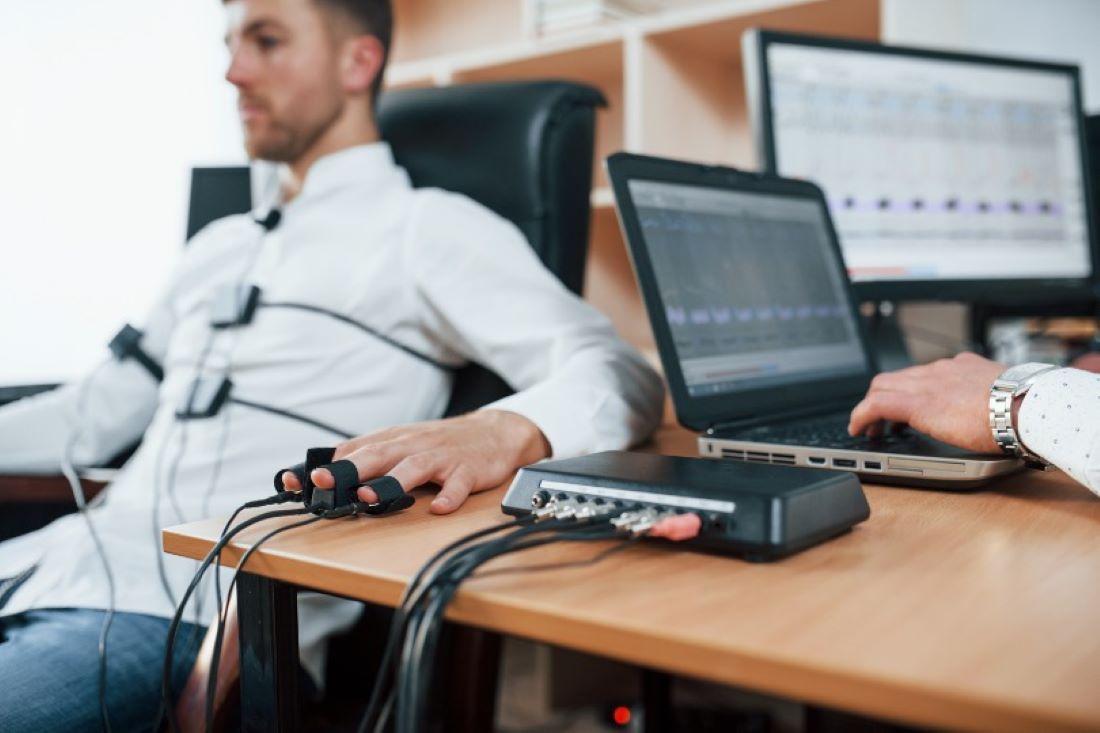
The lie detection test typically determines if a person is honest. It measures the body’s response to questions. The reactions can be seen in fluctuations in the heart rate, breathing or sweating, which are indications of stress. When a person is lying, the body’s reaction is different, and this is the reason why the test can detect it. Different kinds of lie detector tests have been, in their own way, developed for different situations.
Some tests use advanced methods to monitor the brain’s activity or even the movements of the eyes. However, other tests may rely on physical responses, like changes in the voice or reaction time. Each test has its own strengths and weaknesses. Understanding how they work can aid you in determining the test that best suits your requirements.
In addition test for lie detection are also used in serious circumstances. They are employed in criminal cases, in court proceedings, for screening applicants and evenfor personal problems like infidelity. Different types of tests are conducted, based on the scenario and the needs to be asked. This article will provide seven commonly used types of lie detection tests. They will discuss each test in simple terms so that you are able to understand how they function and the purpose for which they are used.
Table of Contents
Polygraph Test
The polygraph is usually the first thought that comes to mind when thinking of lie detection tests. It examines your body for any changes, for example, the speed at which your heartbeat is, the speed at which you breathe, as well as how much sweat you exude. These changes occur naturally when a person is feeling anxious or stressed, or attempts to conceal the truth.
The test will also contain several questions. Some will be simple, while others will be more difficult. One example is your name, your age or the topic that you are testing. It is to determine how your body reacts in response to questions. Experts who use a lie detector carefully monitor the way you respond, as your body may react strangely to specific questions, which could be a sign of lying. But these results are not proof of guilt, but they’re a method to collect more details.
Additionally, polygraph tests serve numerous uses. Police typically employ them to investigate ccriminals Employers can employ them to screen potential candidates for jobs with high risk. They may also use it to resolve a conflict with relationships or as a method of checking whether people are trusting each other or not. Keep in mind that polygraph tests are considered reliable because of their efficacy in identifying indicators of deceit; however, they are most effective when administered by a trained professional.
Eye-Tracking Test
Some of the more recent methods of detecting fraud are eye-tracking tests. It is based on how your eyes react when answering questions, specifically concerning changes in pupil size, blinking speed, and concentration.
When someone lies, they will show small but clear indications of what their eyes are showing. One could blink too often or keep eye contact. The changes are what the test tries to detect.
Another advantage of eye-tracking tests is that they’re non-invasive. It is not necessary to connect an individual to sensors or wires. Instead, a camera or other device can monitor your eyes while you answer questions. This method is still under investigation. Although it has some potential,t it’s not as dependable or extensively used as polygraph testing. Eye-tracking is regarded as an emerging tool, and more research is required to verify its validity.
Voice Stress Analysis (VSA)
Another technique employed in the detection of a lie is known as Voice Stress Analysis. This technique concentrates the voice. In the case of a person who is stressed or anxious, the tone of their voice can alter. It could sound shaken or more pronounced, or even uneven.
In contrast to a polygraph test, the VSA doesn’t require sensors or wires. However, it utilises a specific sophisticated computer program that can test your voice. It looks for indications of stress, which could indicate deceit. But many experts believe that VSA isn’t reliable. It is more difficult to fool than a polygraph examination, and the results are not always consistent. This is the reason professionals depend on VSA more than other methods.
Thermal Imaging
The thermal imaging technique is highly-tech technique that employs special cameras that detect the presence of heat. When a person lies, it could cause a little warming on their face as a result of the increased stress on their body. Thermal cameras are able to detect tiny temperature variations.
This method is non-invasive, and there’s no need to wear devices or answer a lot of questions. While it may sound sophisticated, it’s not always 100% reliable. External factors, like the temperature of the room, may impact the outcomes.
EEG-Based Tests
EEG-based tests rely on the brain wave pattern to identify when someone is lying. In real-world terms, ms the test evaluates the brain’s response to a particular query or claim. The areas of your brain associated with lying show an increase in activity.
Thus, the test is performed using sensors placed on your head to observe how the brain is working. This is not common because it is expensive equipment aspecialisedzed knowledge.
Reaction Time Tests
This measure evaluates the speed at which you answer questions. The people who lie might hesitate when answering questions or have a longer time to respond. Tests of reaction time are easy to run and don’t require any complicated equipment.
But, they’re not as trustworthy because a variety of factors could affect how quickly someone responds, such as confusion or nerves, even if they’re honest.
Functional Magnetic Resonance Imaging fMRI
FMRI lies detection can be described as a process that employs the technique of functional magnetic resonanceimaging (fMRI) to evaluate the brain’s activity in response to deceitful behaviour. The concept of the fMRI lie detection technique is that lying stimulates various areas of the brain when compared to truth-telling. Studies have shown that when people lie and are exposed to lies, there’s a lot of activity in certain regions, like the prefrontal cortexw whichis involved in decision-making as well as complex cognitive processes, as well as the anterior cortex, which is involved in the regulation of emotions and monitoring conflict.
FMRI lie detection generally involves showing someone certain stimuli or questions during which their brain’s activities are tracked. The aim is to detect patterns in brain activity which are consistent with deceit.
Key Takeaways
Tests for detecting lies are useful in a variety of scenarios. They can bring various police investigations, workplace screenings and even relationships to the light of day. This test is vital to reveal the changes in the body or behaviour that may not be observed while searching for details.
Be aware that lie detector tests aren’t magical. They cannot, however, assure absolute truth or correct results. Stress,s anxiety, a feeling of anxiousness, or a health condition can impact the accuracy of findings, even when it is honest people. Also, weaker methods like Voice Stress Analysis can lead to an inaccurate conclusion.